In a world that moves quickly, reacts loudly, and demands constant attention, it is easy to believe that change must be dramatic to matter. Yet sometimes, the most powerful messages arrive quietly.
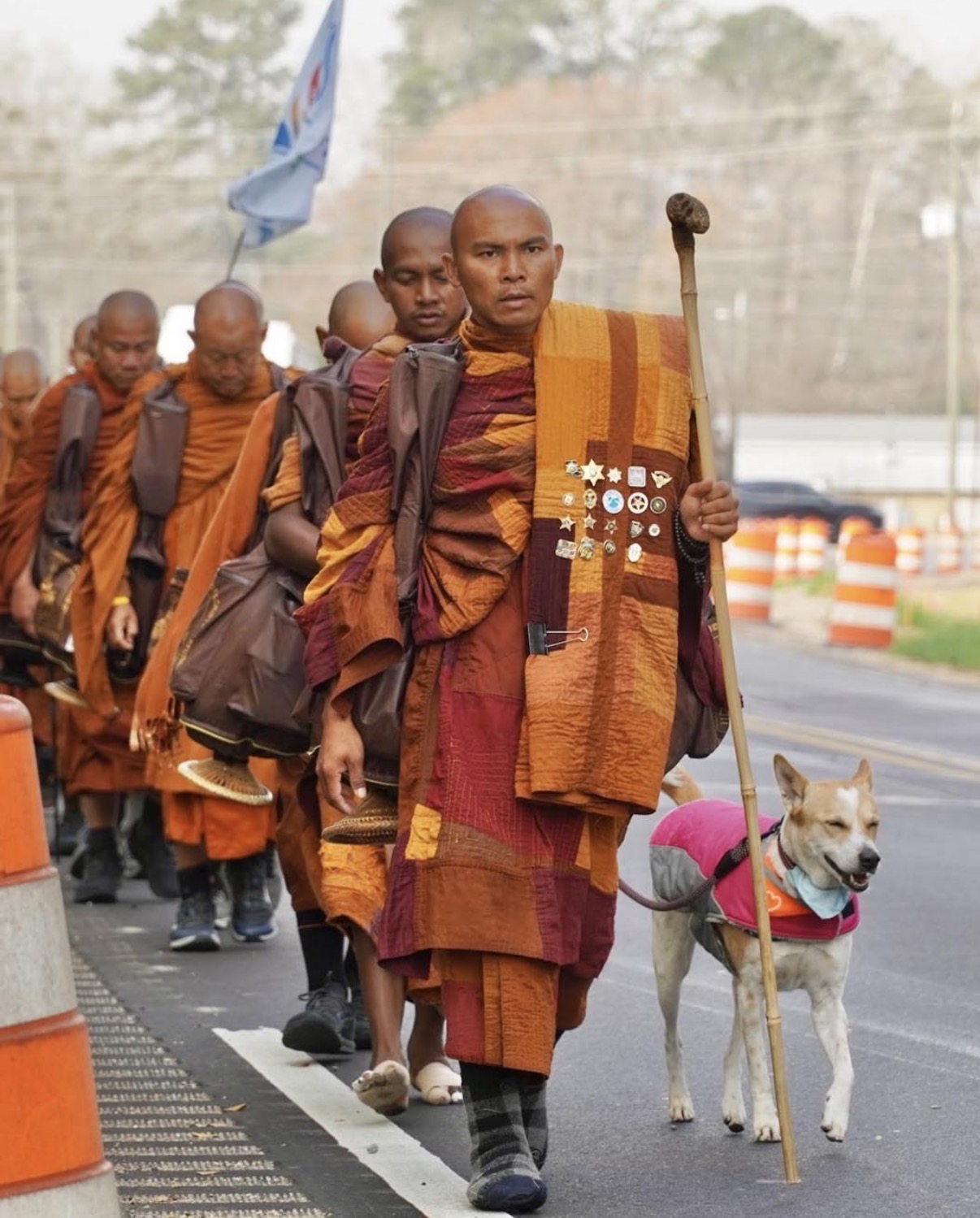
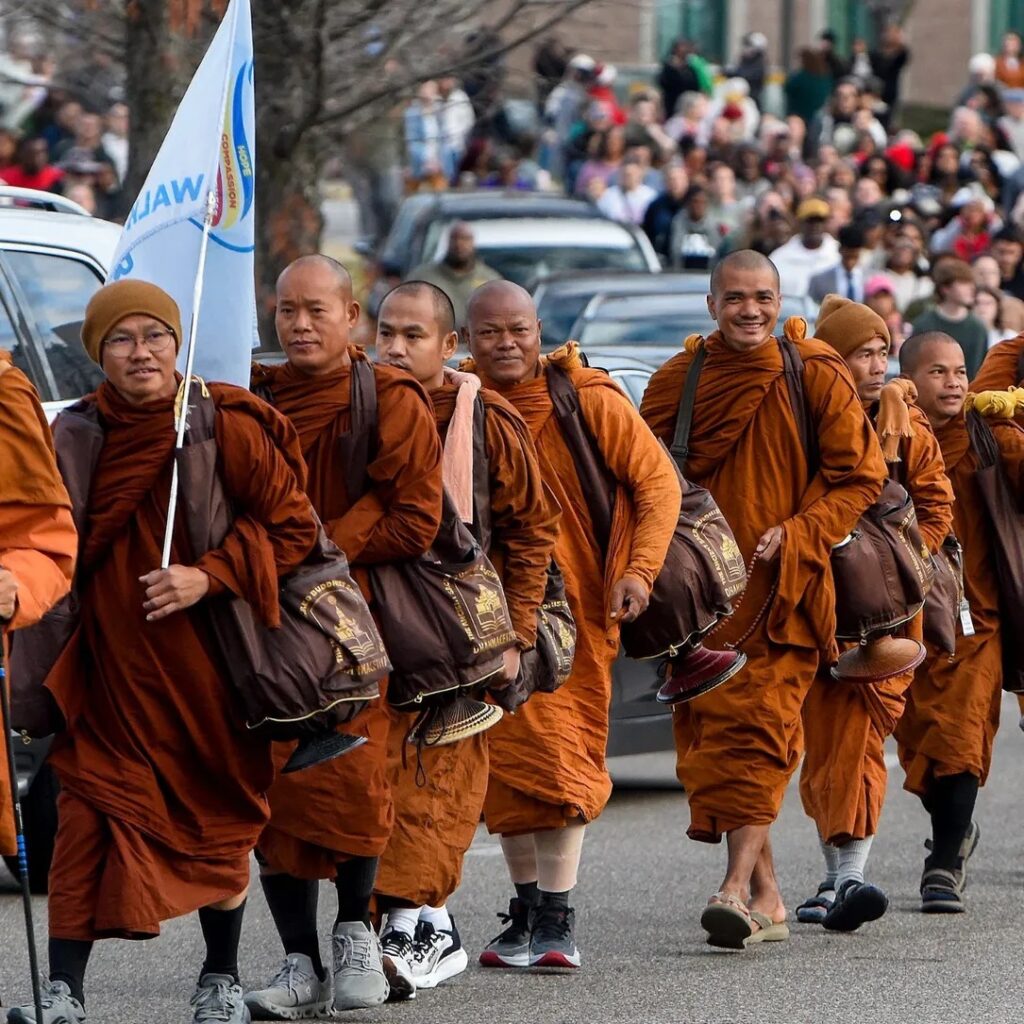
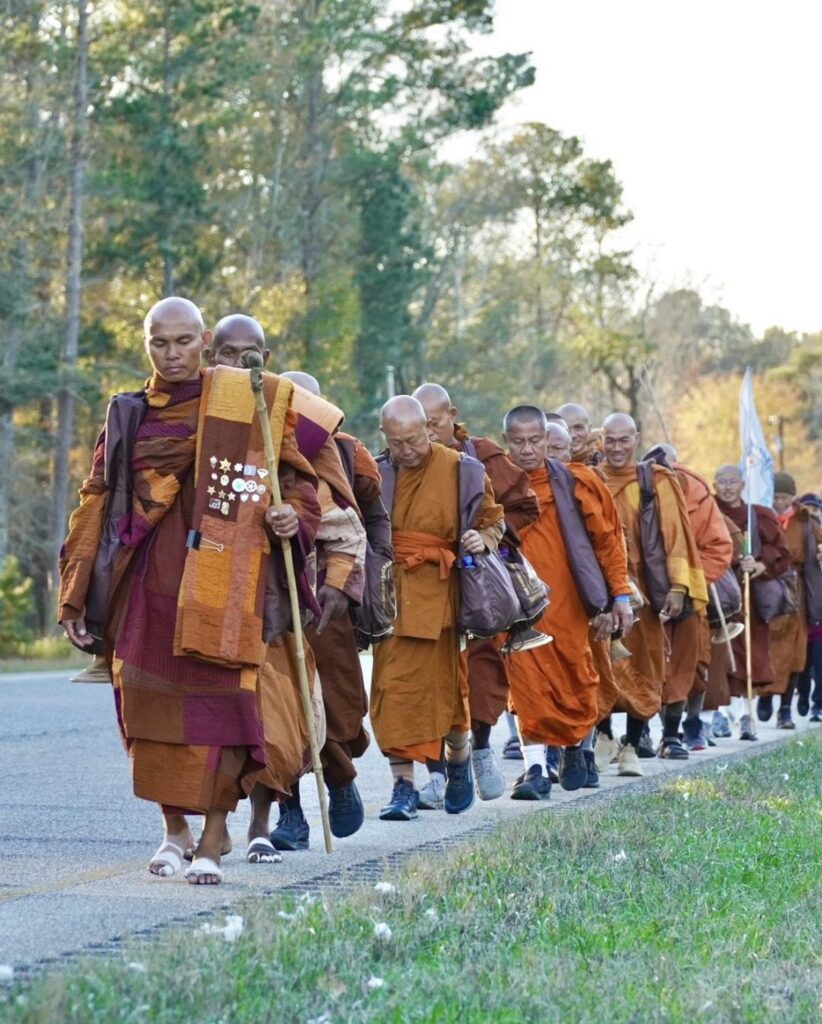
Across roads and cities, a group of Buddhist monks is walking for peace. They do not march in protest. They do not argue or persuade. They do not ask anyone to agree with them. They simply walk — steadily, calmly, and with intention.
This is the Walk for Peace.
A Different Kind of Message
The monks’ journey does not rely on slogans or speeches. There are no banners explaining what to think or whom to blame. Instead, their message is carried through presence.
Each step is deliberate.
Each day is approached with discipline.
Each encounter is met with humility.
In a time when words are often used to divide, this walk offers a reminder that peace does not need explanation. It needs embodiment.
What the Walk Represents
The Walk for Peace is not about distance or destination. It is not about how far the monks travel, nor how long the journey lasts. Those details matter far less than how the walk is undertaken.
The monks live by principles that many have forgotten:
- Simplicity over excess
- Discipline over impulse
- Compassion over judgment
- Presence over distraction
They carry few possessions. They do not earn money or seek recognition. Their lives are structured around mindfulness, restraint, and gratitude. The walk reflects these values in motion.
By choosing to move slowly in a fast world, the monks offer a living contrast — one that quietly invites reflection.
The Power of Silence
Silence is often misunderstood as weakness or absence. In reality, silence can be a form of strength.
The monks do not shout their beliefs because they do not need to. Their silence creates space — space for others to notice, to question, and to feel. Many who encounter the walk describe an unexpected emotional response: a sense of calm, a pause in racing thoughts, a moment of clarity.
Silence, when chosen intentionally, allows truth to surface without force.
Walking as a Practice
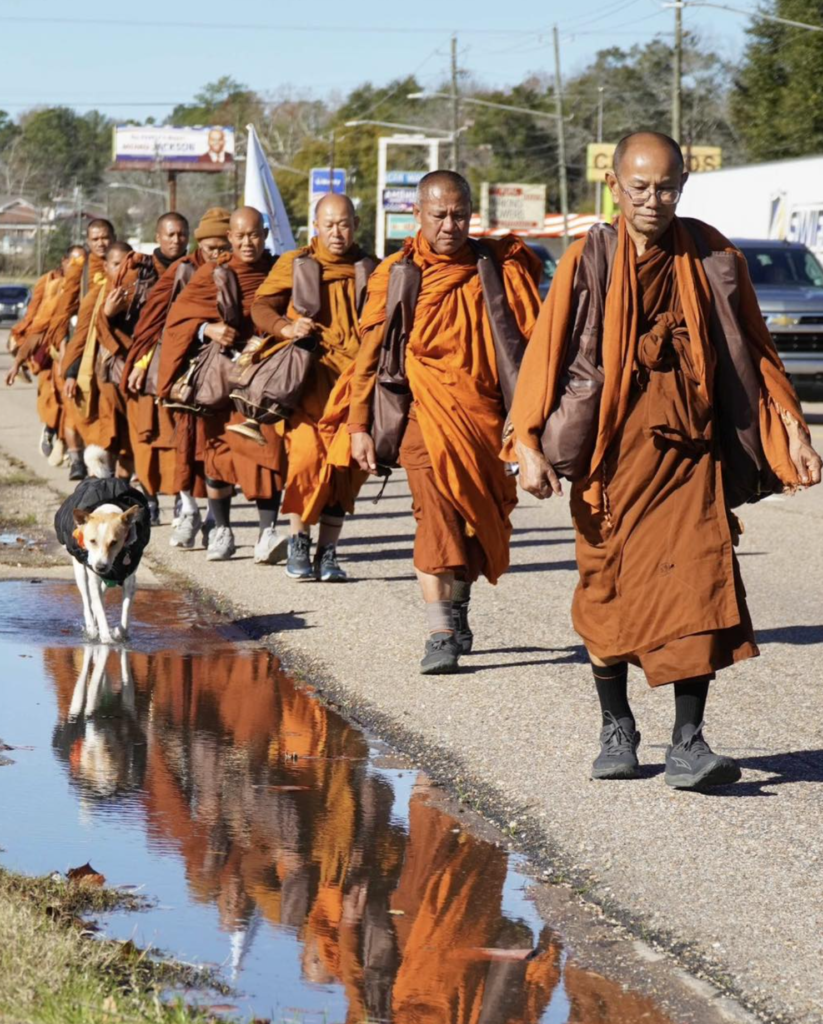
For the monks, walking is not merely movement. It is a practice.
Each step is taken with awareness. The body moves, the breath follows, and the mind remains anchored in the present moment. This practice transforms something ordinary into something meaningful.
In daily life, many people rush without knowing where they are going. The walk invites a different question: How am I moving through my life?
With care or with tension?
With patience or with urgency?
With kindness or with resistance?
The walk becomes a mirror.
A Companion Along the Way
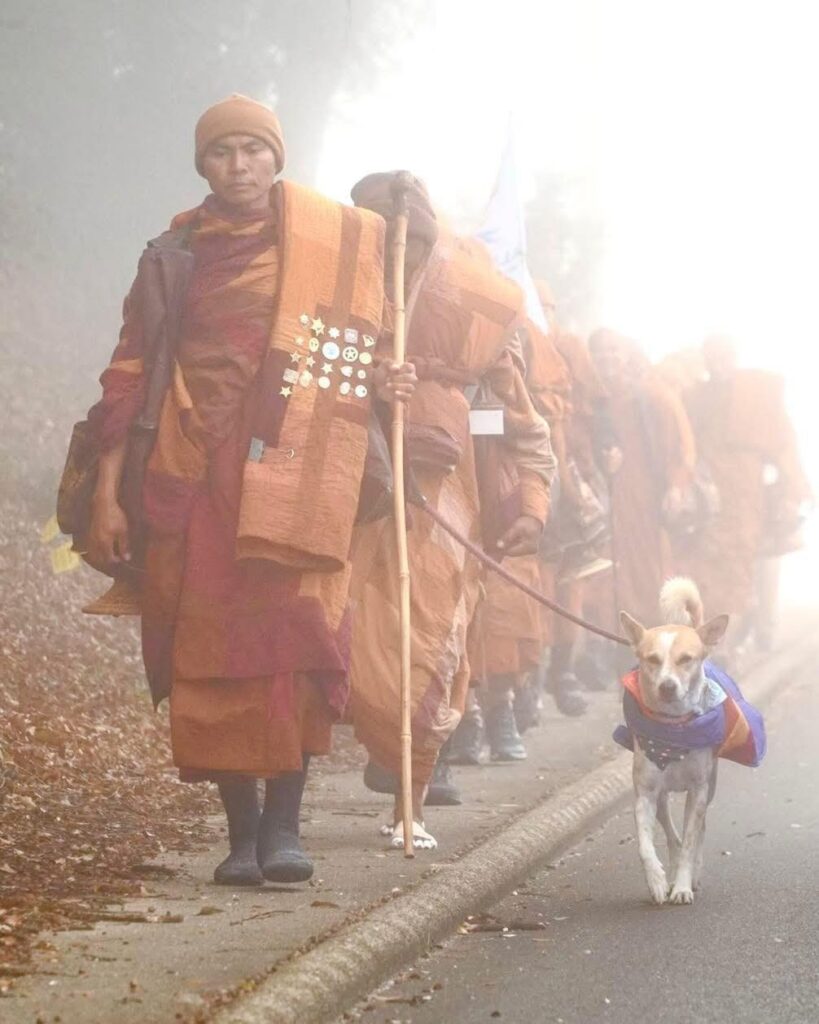
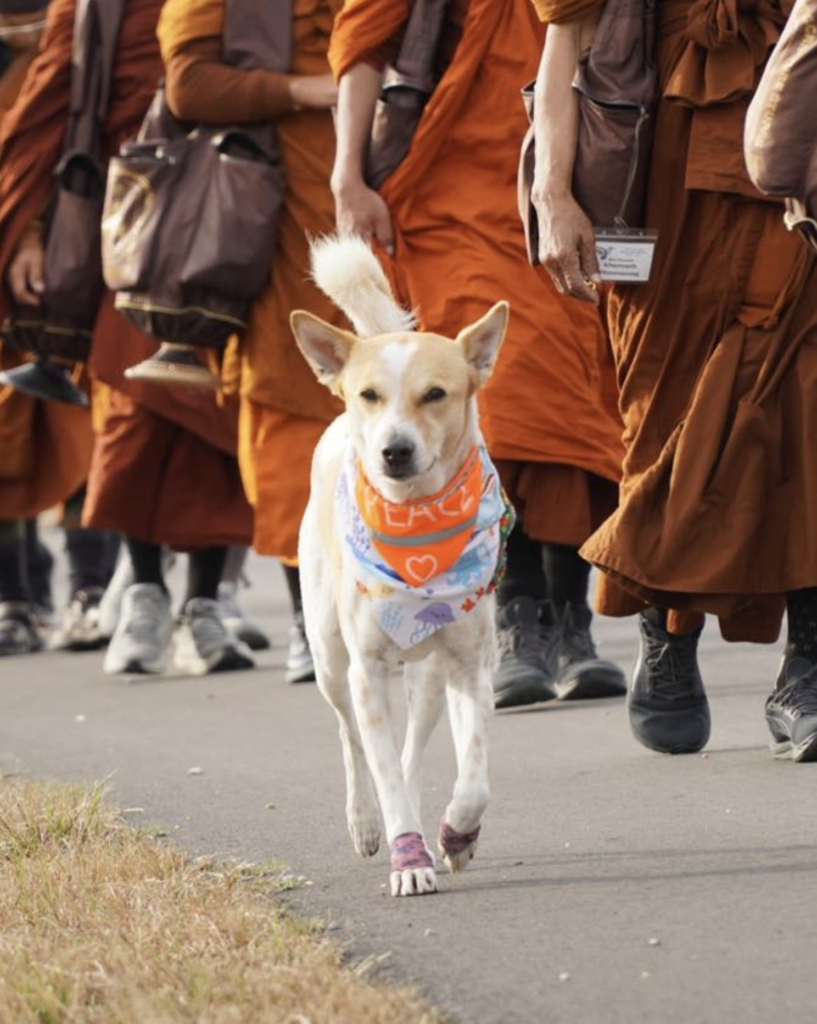
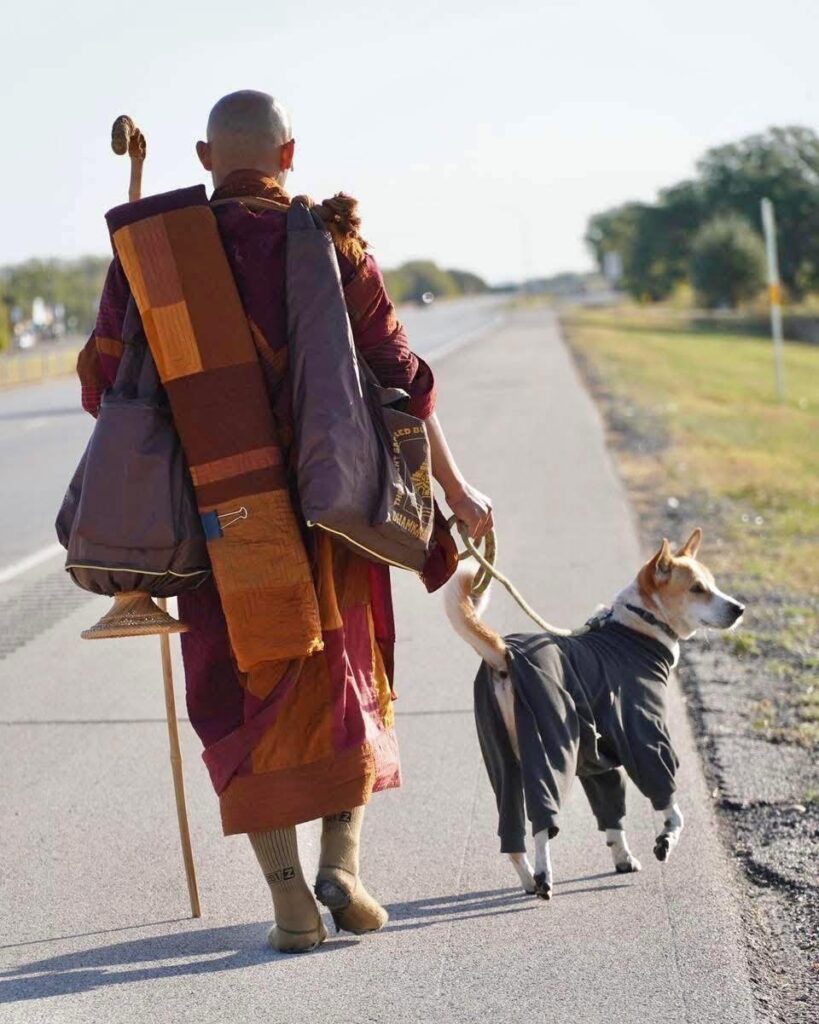
Alongside the monks walks Aloka, a loyal dog marked by a small heart of peace on his head. He asks nothing of the journey. He does not question the path or the length of the road. He simply stays close.
Aloka’s presence reminds us that wisdom is not always spoken. Loyalty, presence, and trust are forms of understanding in themselves. Sometimes, the purest example of peace walks quietly beside us.
What This Teaches Us About Living
The Walk for Peace does not demand that others become monks. It does not suggest abandoning responsibilities or withdrawing from the world. Instead, it offers gentle lessons that can be lived anywhere.
Peace begins with restraint — choosing not to react immediately.
Peace grows through discipline — returning to balance each day.
Peace spreads through presence — showing up fully, without agenda.
These teachings are simple, but not easy. They require practice. The walk shows what practice looks like when lived sincerely.
Beyond the Journey
When the walk eventually ends, its meaning does not. The steps taken along the road leave traces in those who witnessed them. Many carry the experience quietly, returning to their lives with a softened pace and a clearer sense of what matters.
The world does not change all at once. It changes through individuals who choose to live differently, even in small ways.
The Walk for Peace reminds us that peace is not something we wait for.
It is something we practice — step by step, moment by moment, choice by choice.
The Book is here
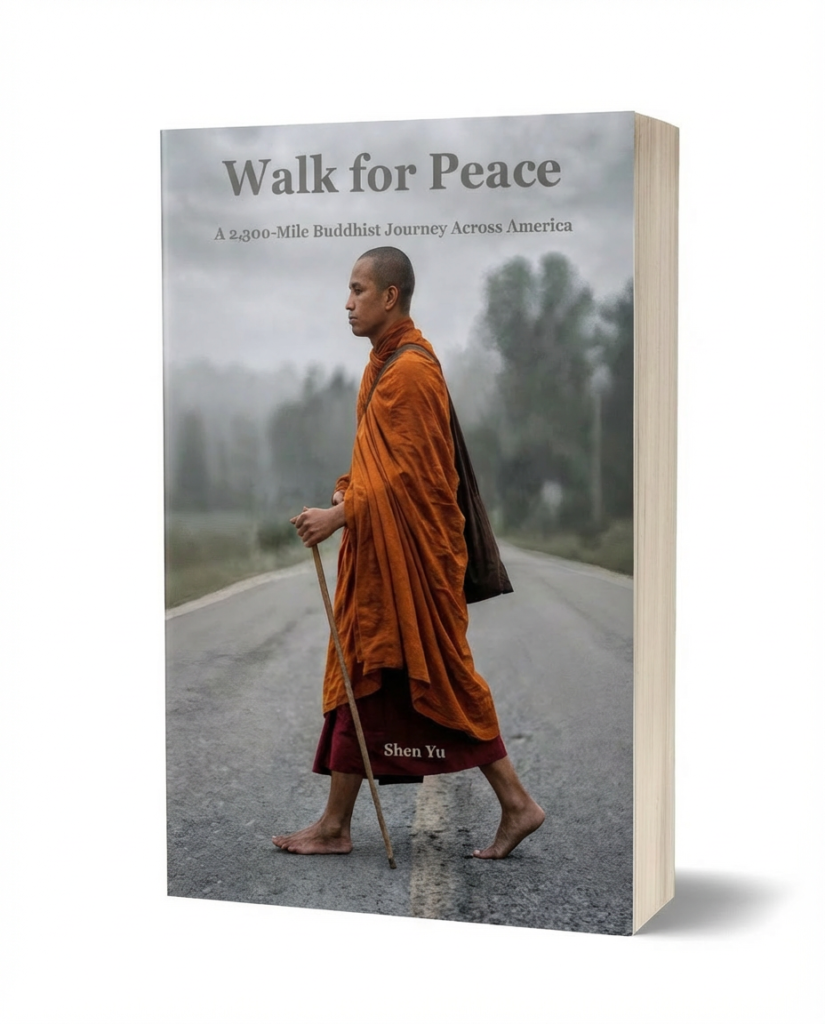
If the Walk for Peace left something in your heart that you want to return to, I wrote a book about it.
Walk for Peace: A 2,300-Mile Buddhist Journey Across America is a quiet collection of reflections on the monks, their teacher, the accident that tested them, the dog who walked beside them, and the blessing from His Holiness the Dalai Lama that arrived in the final days. It is available now on Amazon as an eBook and paperback.
No responses yet